Dust in lungs, batteries in cars
Aluminium is one of the central but often overlooked raw materials of electromobility. In lithium-ion batteries, aluminium is used, among other things, for battery housings and as a cathode collector film. In an ordinary lithium-ion battery, aluminum can account for up to 32 percent of the total weight. The raw material for this is bauxite, which the EU classifies as a critical raw material.
As the demand for batteries and electric cars grows, so does the demand for primary bauxite. At the same time, further processing into aluminium causes enormous energy consumption: An average of 15,700 kilowatt hours are required for one tonne of aluminium from mining bauxite, which is roughly equivalent to the annual electricity consumption of five four-person households.
The PowerShift Publication ‘Bauxite and aluminium – dust in the lungs, batteries in cars’ Using data, visualizations and voices of those affected, it shows why aluminium and bauxite must be more closely involved in the political regulation of battery supply chains.
Why bauxite and aluminum are important for batteries
Aluminium plays a major role in battery production in two areas: It is regularly used in the battery housing and serves as a cathode collector film in lithium-ion batteries. This makes aluminium not only a material for the automotive industry, but also a relevant battery raw material.
Particularly problematic is the high concentration of supply chains. While bauxite is mined in various regions of the world, more than half of the processing into aluminium takes place in China. Germany imports bauxite from Guinea, among others; A very large proportion of German bauxite imports come from there.
bauxite mining: Human rights and the environment under pressure
The degradation of bauxite is associated with significant social and environmental risks. These include acidic mine waters, heavy metals, radioactive substances in deposits, water stress, interventions in protected areas and the use of chemical excipients.
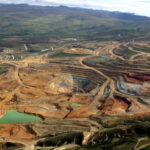
A particularly clear example is the Sangarédi Mine in Guinea. Bauxite has been mined there for decades. The expansion of the mine led to land grabbing, environmental destruction, resettlement and the loss of livelihoods. Those affected report devastated agriculture, polluted water sources, damaged homes and lack of adequate compensation.
Electric mobility needs a turnaround in raw materials
Electric mobility alone does not solve the climate and raw materials crisis. If the expansion of batteries, electric cars and charging infrastructure continues to be based on growing primary raw material consumption, environmental costs and human rights risks in mining regions will be exacerbated.
A raw material policy is therefore necessary that not only secures supply chains, but also reduces absolute raw material consumption. These include long-life batteries, repairability, efficient recycling structures and political guidelines that protect human rights and environmental standards.
Recycling, longevity and reduction instead of more and more primary raw materials
Aluminium recycling can save up to 95 percent energy compared to primary production. Efficient recycling structures can conserve resources and help to reduce the exploitation of people and nature in bauxite mining.
Recycling alone is not enough. Batteries must be designed for long-term use, repairability and resource efficiency right from the start. At the same time, policies are needed that absolutely reduce the consumption of raw materials in the Global North.
What PowerShift demands
PowerShift calls for aluminium and bauxite to be included in effective regulation of battery supply chains. Human rights violations and environmental damage in battery production can only be prevented if these previously neglected raw materials are also addressed politically.
We also need a paradigm shift: one Reversal of raw materials, which relies on less consumption, longer service life, repair, recycling and global equity.
Download publication
The publication ‘Bauxite and aluminium – dust in the lungs, batteries in cars’ shows compactly why bauxite and aluminium are central battery raw materials, what risks their degradation causes and what political steps are necessary.
Now the raw material plug-in letter download or ordering.
FAQ: bauxite, aluminium and batteries
Why is aluminium a battery raw material?
Aluminium is used in lithium-ion batteries as a cathode collector film, among other things. In addition, it is regularly used for battery housings.
What does bauxite have to do with aluminium?
Bauxite is the most important raw material for aluminium production. Alumina is extracted from bauxite, which is then processed into aluminium.
Why is bauxite mining problematic?
Bauxite mining can be associated with land grabbing, resettlement, water pollution, environmental degradation and human rights violations. The publication shows this using the example of the Sangarédi mine in Guinea.
Why is aluminium production so energy-intensive?
The production of primary aluminium from mining bauxite requires a lot of electricity. An average of 15,700 kilowatt hours are consumed for one tonne of aluminium.
What are the alternatives?
Central alternatives are less raw material consumption, durable and repairable batteries and the expansion of efficient recycling structures. Aluminium recycling can save up to 95 percent energy.
What does PowerShift require?
PowerShift calls for aluminium and bauxite to be included in the regulation of battery supply chains and for a comprehensive turnaround in raw materials to be initiated: less consumption, more recycling, longer use and binding human rights and environmental standards.