International Perspectives on Raw Materials Reduction in Europe and Germany
The global North consumes too many raw materials. This is indicated by the UN Environment Programme (UNEP) in its "Global Resources Outlook 2024“ (March 2024). This consumption drives ecological damage and social conflicts in assisted regions.
As PowerShift, we have been working on this raw material transition for many years. However, the debate on the reduction of material consumption is currently mainly being held as an environmental debate in the Global North. With the publication of our four country studies from Peru, South Africa, Indonesia and the Philippines, we are now systematically bringing in voices from the Global South. Together with our partners AEER (Indonesia), Alyansa Tigil Mina (Philippines), Red Muqui (Peru) and AIDC (South Africa) and MISEREOR (Germany) we sharpen the arguments, broaden perspectives and combine environmental protection with issues of global justice.
Our PowerShift approach
We rely on binding targets to reduce primary consumption, strong supply chain due diligence and transparent information on the origin, content and risks of raw materials. Public funds should strengthen repair, reuse, recycling and regional production instead of subsidizing new extraction projects. Reduction is not a renunciation programme, but a prerequisite for climate justice and dignified livelihoods worldwide.
Indonesia (AEER)
AEER investigates the nickel industry with rapid expansion of melts and severe environmental impacts in rivers and coasts. The electricity demand is mainly covered by coal and exacerbates local damage. The study warns of the social and gender implications of industrial policy. It calls for a halt to new capacity, stricter standards along the supply chain and less primary consumption for batteries.
Philippines (ATM)
Alyansa Tigil Mina shows how expanding nickel mining is polluting forests, watersheds and island ecosystems and contaminating water bodies. Local value creation remains low, while communities are experiencing repression against environmental defenders. The study shows that efficiency alone is not enough. It calls for sectoral demand reduction for battery metals in the north, no-go zones and FPIC, increasing recycling and second-life quotas, and a halt to risky projects such as deep-sea mining.
Peru (Red Muqui)
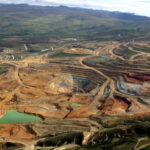
Red Muqui shows how Europe's copper starvation burdens communities and how opaque supply chains make critical accompanying minerals invisible. Case studies on Antapaccay, Quellaveco and Antamina demonstrate air, soil and water pollution and health risks. Despite high world market prices, revenues hardly reach the regions. Demand reduction in the EU, transparency and a post-extractivist transformation with Buen Vivir are called for.
South Africa (AIDC)
AIDC documents systemic damage from mining such as water crises, displacements and precarious work along EU-driven supply chains. The study criticizes green growth without absolute reduction in material consumption. It shows the fossil energy dependence of the mines and the continuation of colonial patterns. Material ceilings in the north and investment in reparative, public service alternatives are recommended.
Together, the organizations make it clear: A just raw material transition must assume global responsibility, drastically reduce primary raw material consumption and consistently strengthen local rights and environmental standards.