Impact on the environment, human rights and economic development
With new chapters on raw materials and energy, the EU Commission wants to ensure the most favorable access to these important imported goods for European companies. There are now six drafts for these chapters. They are part of the agreements negotiated by the EU Commission with Australia, Chile, Indonesia, New Zealand, Mexico and Tunisia. What role does the protection of the environment and human rights play in these chapters? What influence do the raw material and energy chapters have on the granting of licenses for the extraction and exploration of raw materials? What are the consequences of the trade policy provisions for economic growth and development in resource-rich countries of the Global South such as Chile, Indonesia and Mexico?
These and other questions are answered in a new case study jointly published by PowerShift, BUND, FDCL, GRÜNE LIGA, Forum Umwelt und Entwicklung and Stiftung Asiahaus. As the first civil society analysis of the energy and raw materials chapters, the case study takes a critical look at the six existing chapter proposals of the EU Commission. The emergence of the ERM chapters is placed in the context of the European Raw Materials Initiative. Their raw material policy provisions are analysed, consequences assessed and policy recommendations developed.
The fact sheet provides a brief overview of the key raw material policy impacts of the ERM chapters.
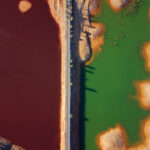
(Contribution picture: zwansaurio, flickr, Creative Commons License: CC BY-NC-ND 2.0)