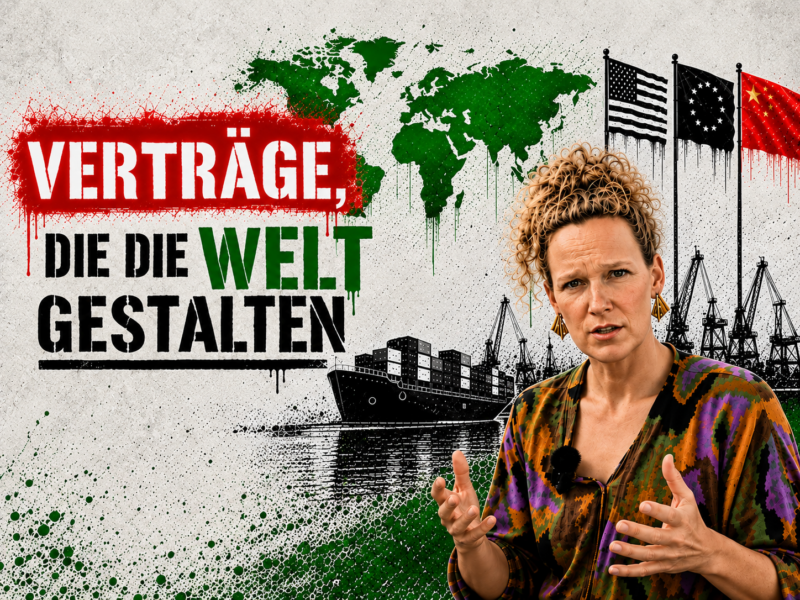
How does EU trade policy affect people in the Global South? The PowerShift web series ‘Contracts that shape the world’ shows perspectives from 12 countries. In eight episodes, experts will talk about trade, corporate lawsuits, agriculture, climate, hydrogen, health and raw materials – and what a fair trade policy could look like.
About the web series: EU trade policy and the Global South
How fair is global trade – and who actually decides on its rules?Trade agreements often sound like a win-win situation: less tariffs, more market access, new jobs and lower prices. But do all sides actually benefit equally? What impact do European trade rules have on people in Africa, Asia and Latin America? And whose interests are actually taken into account?
The web series "Treaties that shape the world" Takes a closer look at the consequences of EU trade agreements. Eight episodes deal with free trade, corporate lawsuits, agriculture, climate protection, green hydrogen, health policy and raw materials – and finally with the question of what a fair trade policy could look like. In particular: Perspectives from the Global South at the centre. Experts from twelve different countries report on their experiences, classify European trade and economic rules and show what social, environmental and economic consequences they observe on the ground.
From 01.10.2026 appears here and on the PowerShift YouTube channel every week a new episode.
Folge 6 – Gesundheit garantiert?
Was haben EU-Handelsabkommen damit zu tun, ob Menschen sich Medikamente leisten können? In der sechsten Folge unserer Webserie „Verträge, die die Welt gestalten“ zeigen wir, wie die von der EU geforderten Patent- und Schutzrechte den Markteintritt günstigerer Generika in Partnerländern verzögern können. Expert*innen erklären, welche handelspolitischen Alternativen den Zugang zu Medikamenten verbessern können.
Interviews
Pesa Okania
Chalermsak Kittitrakul
Episode 5 – Green hydrogen: Climate saver or new dependency?
When promoting green hydrogen, for example in Namibia and Chile, we ask: Are we saving the climate in this way, or are new dependencies created above all? Is the local population involved in decision-making? And are local people benefiting – or is Europe's energy needs being met in particular?
Interviews
Nafimane Maano Hamukoshi
Lucio Cuenca
Episode 4 – EU rules for the world: Fair or Wrong?
How do EU rules affect people and businesses outside Europe – and how fair are they? What do European regulations mean for other countries and whose interests count?
Interviews
Trishant Dev
Ana Romero
Episode 3 – Hungry despite trade? How Trade Agreements Affect Agriculture
How trade agreements affect agriculture – and what does this mean for the people who produce food? ‘Hungry in spite of trade’ sheds light on the impact of trade policy on agriculture and food security in the Global South.
Interviews

Miguel Ángel Rodríguez
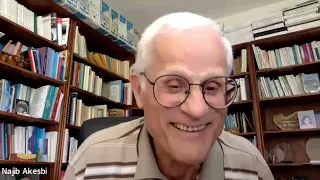
Najib Akesbi
Episode 2 – ISDS: Corporate lawsuits instead of development?
Investor-state arbitration, ISDS for short, allows foreign investors to sue states before international arbitration tribunals. What are the consequences of this particular system of dispute resolution? And what does it mean for democratic room for manoeuvre and state regulation?
Interviews

Rosa Maria Mateus

Quetzal Tzab González
Episode 1 – Living better with free trade?
The European Commission speaks of partnerships on an equal footing in its trade agreements. It promises growth, jobs, favorable prices for us in Europe and also in other countries. But what kind of world do trade agreements really shape and how well does it actually live in it?
Interviews
Najib Akesbi
Nafimane Maano Hamukoshi
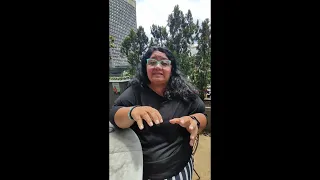
Ana Romero
Produced by PowerShift and AndersHandeln Austria, attac Austria, the Coordination Against BAYER Dangers, FIAN Germany and the Society for Threatened Peoples.

Funded by ENGAGEMENT GLOBAL with funds from the Federal Ministry for Economic Cooperation and Development.