Improving the Circular Economy in the Renewable Energy Sector
This study highlights the urgent need for a more sustainable and equitable approach to the global energy transition. It emphasizes the importance of using metals more modestly and creating a circular economy to protect both the environment and human rights.
Five key findings are presented in this study:
1. Metals are crucial for the energy transition.
The shift towards renewable energy sources such as photovoltaic (PV) panels and wind turbines necessitates the use of various metals. The prior PowerShift study «Metals for the energy transition» showed, that a large share of common demand projections is caused by the automobile industry, and that renewable energy production is not generally more metal intensive than fossil energy production. Nevertheless, there is no doubt that we will need a substantial amount of metals for the transition to renewable energy production.
2. Les projets miniers ont souvent des conséquences négatives.
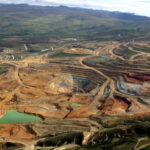
The extraction of metals for renewable energy technologies frequently leads to human rights violations and environmental degradation. This underscores the need for a more modest approach to metal usage in order to reduce the négative impacts of mining.
3. Utilisation secondaire ou recyclage
In the coming years a large amount of wind turbines and PV modules in Germany will drop out of the EEG subsidy program and will be replaced by newer, more efficient models. The old ones need to be kept in the loop through secondary use or recycling, rather than becoming waste, i.e. lost material.
4. Développement de l'économie circulaire
To address this, the study advocates for further development of a circular economy. This approach involves rethinking, reducing, reusing, repairing, and recycling materials, minimizing waste, and extending the life cycle of products. Future PV modules and wind turbines should be designed to be more durable, modular, and repairable. Additionally, finding secondary use options or recycling PV modules and wind turbines at the end of their life cycle will help keep metals in the loop, reducing the demand for new mining projects.
5. Sufficiency and demand reduction as a key component:
The study highlights the need for sufficiency measures to reduce overall demand for resources. By promoting energy-efficiency, lifestyle changes, and sustainable consumption patterns, we can alleviate pressure on the environment and natural resources.
This publication is a translation of the German-language study «Repenser ensemble les matières premières et la transition énergétique», which was published in January 2023 with financial support from the European Climate Foundation and the Environment Agency (Agence allemande pour l’environnement).
This study has been soutenu par the Fondation européenne pour le climat. Responsibility for the information and views set out in this study lie with the authors. The European Climate Foundation cannot be held responsible for any use which may be made of the information contained or expressed therein.