
KLIMACHECK WATER MATERIAL: ECOLOGICAL AND SOCIAL FAIR!
If you talk about climate-friendly energy, it's quickly about hydrogen. But what is hydrogen and what is it used for? Why is it good for the climate?
We looked at what hydrogen is made of, the benefits and risks it brings, and how the emerging hydrogen economy can be a win-win for everyone.
SHARE
Where does hydrogen come from and what is it needed for? Which production lines, which applications are good for the climate? What impact does hydrogen production in the Global South have on people there? You can find answers under ...
Hydrogen: The chemistry behind it

Hydrogen is a gas that hardly occurs in pure form on Earth. This is because it reacts quickly with other substances, such as oxygen. Then water emerges from it.
Hydrogen can be made from water. The process is called electrolysis. This requires a lot of energy. When green electricity is used, no climate-damaging carbon dioxide is produced. The electrical energy splits the water molecules (H2O) into hydrogen (H2) and oxygen (O2).
Only a fraction of the hydrogen used today comes from renewable energy. So far, hydrogen is mainly produced from natural gas. This type of production is very bad for the climate. On the one hand, because it produces a lot of carbon dioxide and on the other hand, because natural gas already causes greenhouse gas emissions during its production and transport.

Hydrogen: Energy storage and raw materials for industry
Hydrogen is an energy store. When it is produced by electrolysis, a large part of the energy used there is in hydrogen. The energy is released again when the hydrogen reacts with oxygen back to water. However, some of the energy originally used is always lost.
In industry, hydrogen is already used as a raw material, for example to produce fertilizers, plastics or gasoline and diesel.
Many of these products are harmful to the environment and the climate! They need to become less – with or without green hydrogen.
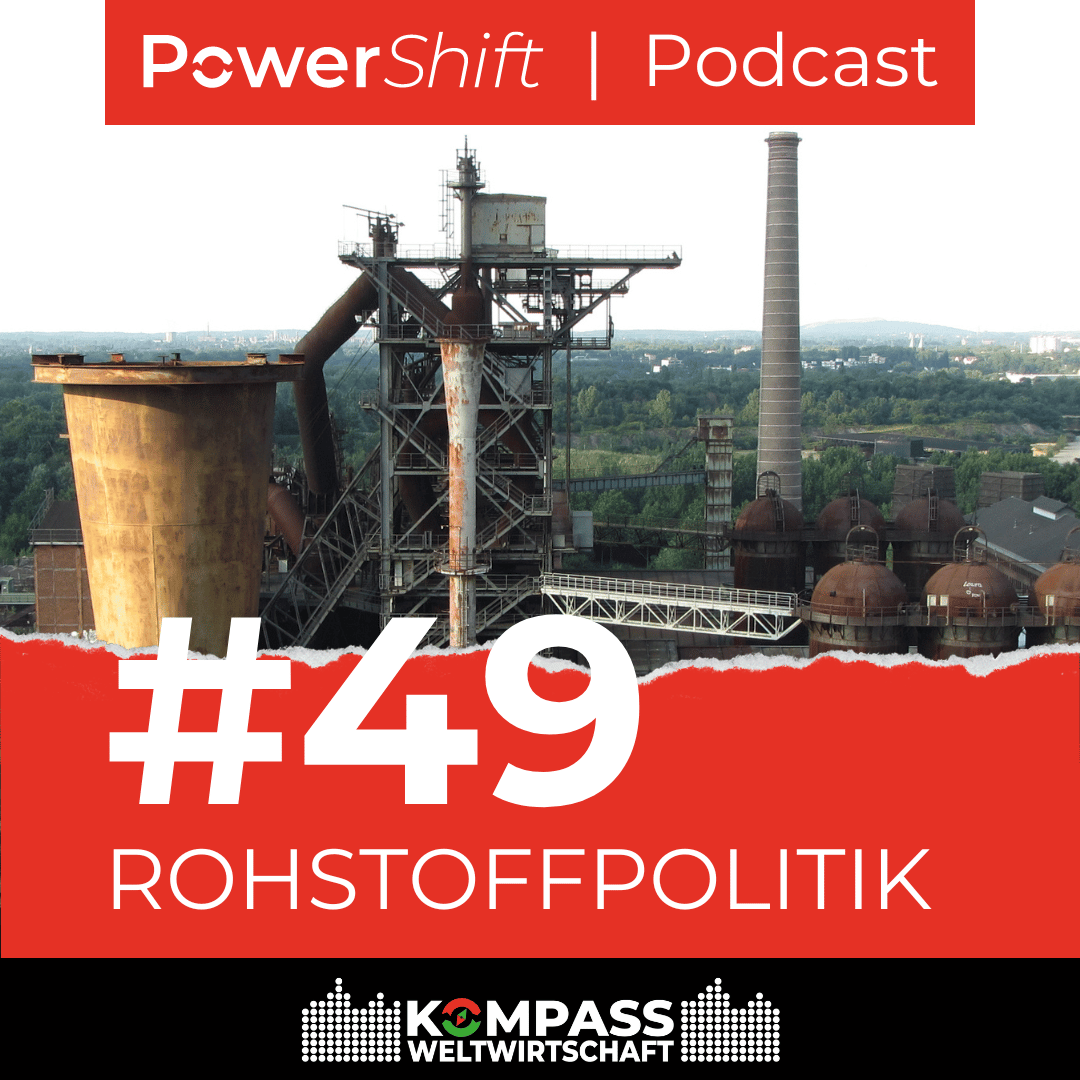
In the future, the steel industry will need a lot of hydrogen to replace coal or natural gas. Steel production accounts for more than a quarter of Germany's greenhouse gas emissions in the industrial sector. With hydrogen from renewable sources, it could become climate neutral.
Hydrogen production needs rules
So that hydrogen production does not become a dirt blower, it needs rules. If the electrolyser for hydrogen production were simply connected to the power grid and run permanently, it would obtain the current German electricity mix. It currently contains 418 grams of carbon dioxide per kilowatt hour. One kilo of hydrogen from such a plant would then be responsible for 23 kilos of carbon dioxide emissions.
The EU Commission has therefore adopted a legal act, the so-called Delegated Act on RED II. It lays down the conditions under which hydrogen may be considered renewable or ‘green’. Namely, only if the hydrogen comes from an installation that meets all of the following conditions:
- It is located near a solar or wind farm
- It only consumes electricity when the park is supplying green electricity
- The solar or wind farm was built in addition to the expansion of renewable energies already taking place.
Alternatively, hydrogen is climate-friendly if the electrolyser is located in a country that is largely supplied without coal or natural gas, for example in Sweden or Finland.


Hydrogen: A resource eater?
The production of hydrogen consumes resources: Land, water for electrolysers and of course metals, concrete and other raw materials. These resources come at a price, including for the environment. Although green hydrogen causes far less environmental damage overall than coal, gas and oil production, its production can still have a serious impact on humans, wildlife and plants. These can be minimized if you consider the following:
Land consumption/land use
Land is mainly used for wind and solar farms, which are supposed to provide the necessary energy. Electrolysers, hydrogen storage, pipes, ports or other transport routes also need space. If the water is to be extracted from desalination plants, these areas will also be added. Nowhere in the world is this place simply there. How can conflicts over land be avoided?
- Consult and co-determine the local population
- Resolving Historical Land Conflicts
- Respecting nature reserves and traditional use
- Keeping a minimum distance from settlements
- Respect flight routes of birds, migration routes of ground animals, habitats of aquatic animals
- Enable mixed use (agri-photovoltaics or pastureland with wind turbines)
Water/ desalination plants
To produce hydrogen, you need water. Already at the level of chemical reaction, there are nine liters of water per kilo of hydrogen. If we calculate the losses in the production process, it is much more. There are often good conditions for renewable energies in areas where water is scarce. Half of humanity does not have enough water on a regular basis.
One answer to the question of where the water for green hydrogen should come from is: Desalination plants. But in addition to their space requirements (see above), their residues cause problems. The salt liquor that remains is usually simply directed back into the sea. This harms many marine life, also because the lye contains additional chemicals from the desalination process.
Therefore:
- use energy-saving and efficient technology as well as renewable energies for desalination
- Co-supplying local population and businesses
- Prepare and clean salt liquor, only diluted discharge into the sea
- collect and reuse the water produced by the consumption of hydrogen.
Metals, cement, asphalt
The wind and solar power plants, the electrolysers and, if necessary, the plants for ammonia or methanol production, the power lines, pipelines, terminals and ships, all of which need metals, building materials and energy to be built. Many of these resources are already scarce.

Electrolysers were not part of the study – they use nickel, platinum and iridium in addition to steel and aluminium.

Using Hydrogen Properly
We have seen that hydrogen use generally costs more resources and more energy than the direct use of electricity. For example, a hydrogen heater would consume five times as much electricity as a heat pump! Of course, the heating costs would also be significantly higher. Therefore:
Use of electrical energy takes precedence!
Electricity is also usually better in traffic. There are a number of pilot projects for hydrogen trucks or trains. But the rapid technical progress in batteries is making direct electric propulsion increasingly attractive in heavy-duty traffic, and hydrogen propulsion will also remain a niche product in rail at best. A major problem is the charging infrastructure. If a large-scale hydrogen filling station network has to be set up because of individual niche applications, then this will be very expensive for the individual user.
Hydrogen-derived ammonia and methanol can be used as fuel in shipping, for example. But the testing is still in its infancy.
Global fossil fuel trade accounts for more than a third of global shipping. Without coal, oil and gas, this part disappears!
The turnaround in traffic involves more than just building cars with a new drive. We need better public transport and stronger incentives for walking and cycling instead of cars!
The resource transition is proceeding!
In industry, hydrogen is already used today as a raw material (chemical industry and refineries) or is to be used in the future (steel industry). In addition, it is being discussed as a substitute for natural gas for processes that require high temperatures (e.g. in the glass industry). However, good use of hydrogen also means: Consume fewer products. Is that possible?
Reusable instead of single-use plastic, smaller cars, repairs, recycling and switching to circular economy are just a few examples of how we can save raw materials. We also need less hydrogen.


Hydrogen plays out its advantages best when it is directly integrated into the energy system. Instead of dreaming of huge hydrogen factories in the desert, we take a look at what this integration might look like.
Hydrogen in the renewable energy system
information
Please click on an item to learn more.
What if hydrogen is imported?
In May 2024, six presentations with examples from Chile, Turkey and Colombia showed what can go wrong with large hydrogen projects, and we discussed with experts from Germany, Turkey, Kenya and Nigeria what is needed for a globally just hydrogen economy. The lectures can be found here:
The hydrogen production projects that Germany and the EU are launching present both opportunities and risks for the countries in which they arise. If they are unilaterally oriented towards exports, at the lowest possible price for importers, exploitative economic relations threaten. If countries of the global south provide countries of the global north with cheap resources such as energy, while they themselves run out of energy, colonial practices are repeating themselves. We want to avoid such developments. But how does it succeed?
This issue is about political justice. The people who are directly affected by the construction of a hydrogen project must have a say in whether, where and how the project is created. For indigenous communities, this is even enshrined in international law. For all concerned, the decision-making processes must be transparent and follow democratic rules. Unfortunately, this is not self-evident. Civil society organisations often complain that hydrogen projects are launched according to opaque procedures and with a lack of participation of the population.
Large projects by international investors, especially when it comes to raw materials, often leave little money in the country. The profits end up with the big corporations and in the countries where the raw materials are further processed. This also threatens if hydrogen supplies to industrialized countries such as Germany are the focus, while the population in the exporting country is struggling with water shortages and energy poverty. This can change as hydrogen projects deliver electricity and water to local people and businesses. Or the hydrogen is first processed and then exported. Then more value creation remains in the country and can contribute to economic development.
Worldwide, many people are in close relationship with the surrounding nature. They are directly dependent on them for their livelihood. Hydrogen projects must not threaten or destroy livelihoods such as water and land. The necessary wind and solar parks, for example, must be built in such a way that people and animals can cross them and continue to use them for agriculture. Nature reserves and sacred sites are taboo for such projects.
A fair hydrogen project takes into account particularly marginalised population groups. Discriminated and marginalised people are often particularly affected by water and energy poverty. Hydrogen projects must therefore pay special attention to their needs and protect their access to land, water and energy. In some hydrogen projects, affected indigenous communities are already involved in project design and profits. In the majority, this is not the case.
Local people are often promised that the projects will open up opportunities for development and modernisation. But when planning exclusively according to Western technical and managerial knowledge, the projects remain unconnected with the local economy and can destroy local structures. Therefore, local values and knowledge about energy production or land use must be incorporated into planning on an equal basis. Often, local people know best where roads, solar and wind farms need to be built without causing damage, and what benefits such a project brings to their community.
We take the consideration and recognition of these areas of life for granted when it comes to projects on our doorstep. To respect and protect them is therefore neither unusual nor impossible. But people in the Global South often still have to demand it vehemently these days. This is because we still live in a world shaped by colonial thought patterns and economic structures. At PowerShift, we are committed to making that change!
A fair hydrogen world?
legend
information
Click on a color-coded country to learn more.
Our industry should become climate-friendly – with green hydrogen. For this purpose, it wants to import hydrogen on a large scale. But what does German demand mean for other countries?
We highlight the impact of hydrogen production worldwide: Who will benefit from the projects and who will bear the costs? Can the energy source support self-determined economic development? Or is it exacerbating global dependencies?
The world map is also available in printed form, in the size DIN A1.
This website was created with the kind support of the State of Berlin – State Agency for Development Cooperation and the German Postcode Lottery.


The sponsored institution is solely responsible for the content. The positions presented here do not reflect the position of the Senate Department for Economic Affairs, Energy and Operations or the Postcode Lottery.
