New study: Europe's investment protection policy drives corporate lawsuits and jeopardises climate targets
With the publication of the European ISDS Scorecard lays PowerShift Together with European partner organisations, for the first time a comprehensive comparative analysis of the investment protection policy of 30 European countries is presented. For this purpose, the investment protection policy of the 30 countries and their impact on the rest of the world was examined.
The study clearly shows: Europe is at the heart of a global system that grants corporations far-reaching legal rights – with significant consequences for climate protection, democracy and public budgets. But the individual countries of Europe are very different from each other.
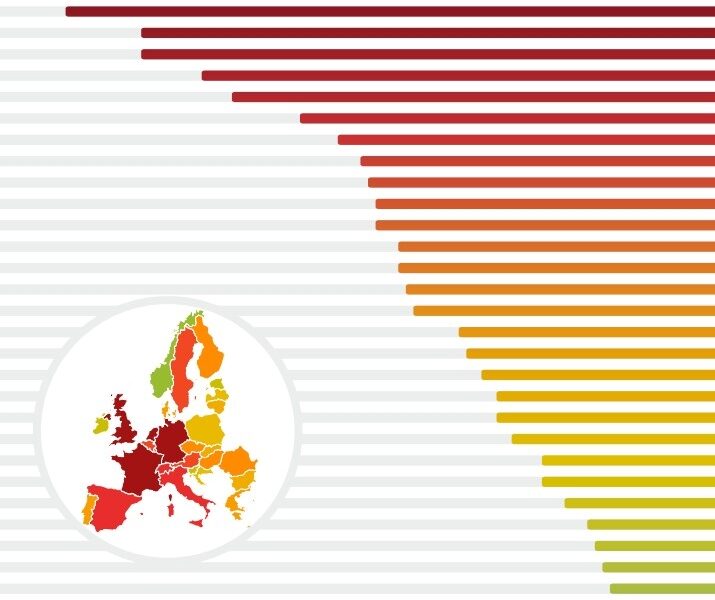
Interactive tool: The European ISDS Scorecard – Comparing the Harmful Effects of Investment Protection Agreements
The Interactive scorecard On the project side, the results are transparent and comparable for the first time: It shows at a glance how strongly individual European states are involved in the ISDS system – from the number of investment agreements to the use by investors and the associated climate risks. It highlights the clear differences between European countries and highlights where the most urgent action is needed.
Europe as a global driver of corporate lawsuits
The data analysis shows how strongly European states are involved in the ISDS system:
- 55 % All known ISDS lawsuits worldwide Initiated by European investors
- European investors have a total More than $500 billion Compensation required
- Particularly in the fossil sector, most of the lawsuits come from Europe.
This makes Europe a key player in a system that puts pressure on democratic co-determination and the regulation of large companies worldwide.
Germany among the most problematic countries
A key result of the scorecard: Germany is one of the countries with the most harmful investment protection policies in Europe.
- Germany proves 3rd place in the negative ranking
- Particularly problematic are:
- A large number of investment agreements
- a large number of lawsuits by German investors
- Long "sunset clauses", which make states suable for decades even after the termination of the treaty
The German contract architecture makes it considerably more difficult to break away from the ISDS system, even if there is political will.
Focusing Risks on a Few Countries
The study shows a highly concentrated system:
- A small group of countries, including: United Kingdom, Netherlands, Germany, France, Spain and Switzerland – bears a large part of the global risks
- These states have particularly large contract networks and are at the same time home to many complaining investors.
Investors from just four countries (UK, Netherlands, Germany and France) have initiated more than half of all European ISDS lawsuits.
Britain and the Netherlands in particular stand out for their large number of lawsuits in general, but especially in the fossil and mining sector.
ISDS as a brake on climate protection
A key finding of the study is the close link between investment protection and climate risks:
- Almost half of all ISDS lawsuits in the raw materials and fossil fuel sectors Goes back to European investors
- Investment agreements protect large amounts of future CO₂ emissions
- Climate policy measures – such as coal phase-out or stricter environmental requirements – regularly lead to lawsuits
ISDS thus becomes a structural obstacle to the necessary socio-ecological transformation.
Billion-dollar risks to public budgets
The financial dimensions are enormous:
- Compensation claims often Hundreds of millions to billions of dollars
- Average lawsuits are sometimes close to $1 billion
- Self-generated processes cause high procedural costs
These risks create political pressure and can prevent states from implementing necessary regulations.
Alternatives are possible
The scorecard also shows: An exit is feasible.
- Countries such as Norway They have already terminated a large part of their contracts.
- Numerous investment agreements within the EU have been terminated following a ECJ ruling
- States can significantly reduce the dangers of the ISDS system to their freedom of regulation through coordinated terminations
Policy conclusions
The results of the study underline the urgent need for policy action:
The study shows not only the fatal effects of the policies of important European countries, but also that an exit from the ISDS system is possible.
Against the background of current international processes, such as the debates on the phase-out of fossil fuels, it is clear that:
Continued investment policy is not compatible with the goals of a just and climate-friendly transformation.
The tools for policy change are well known and are already being used by European states in individual cases and must now be widely used.
Press & Background
For interviews, audio and data please contact:
Adrian Bornmann
Speaker for press and public relations
Fabian Flues
Trade and Investment Policy Officer
Find out more about this topic in our podcast “Kompass Weltwirtschaft”.